

(Video) Selling an Inherited House with Major Structural Damage in Prince George’s County: A Real Case Study
If you’ve inherited a house in Prince George’s County with serious structural damage — fire damage, termite-eaten framing, a sagging floor — you can still sell it for well over asking, but only if you price and market it honestly. I recently helped an out-of-state family sell an inherited home here that had a prior fire and extensive termite damage to the floor joists. Instead of hiding the issues, we disclosed everything up front, priced the home to reflect the real cost of repairs, and marketed it to buyers who understood its potential. The result: multiple offers and a final sale price $65,000 over asking. Here’s exactly how it worked, and what to do if you’re facing a similar situation.
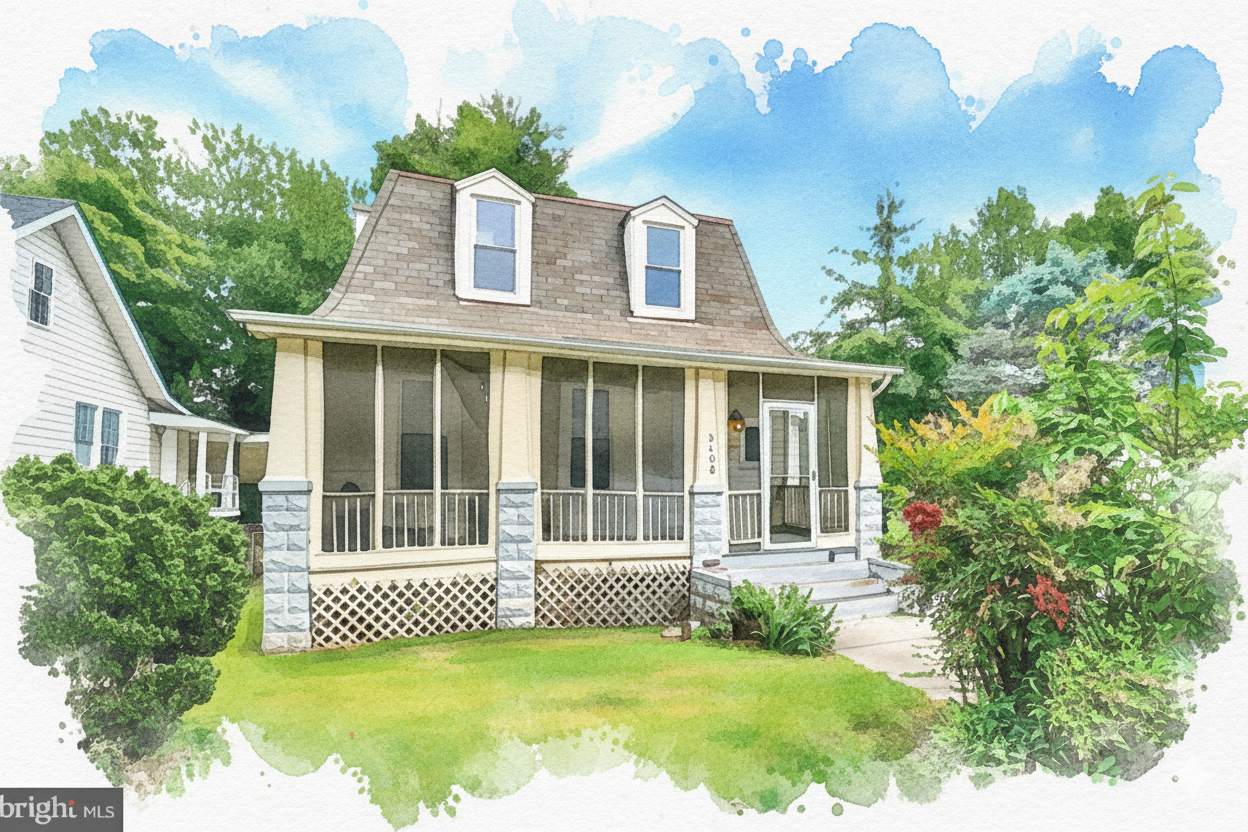
The Real Story: An Inherited Home With Hidden Damage
The family who owned this home lived several states away. Their loved one had passed away inside the house, and on top of the grief of losing a parent, they were now responsible for a property they hadn’t seen in person in years. That’s a situation I run into often with estate sales — the heirs are managing everything remotely, and what they need is a “boots on the ground” partner: someone local who can meet contractors at the property, oversee repairs, and represent their interests in person.
Once we got into the property, we found more than anyone expected. There had been a fire at the house years earlier, and termite damage had eaten into the floor joists in the basement. The weight of the structure above had actually crushed and compressed some of the main beams — you could feel a noticeable waviness in the floors walking through the house.
For a lot of agents, and a lot of families, the instinct here is to minimize these issues or rush a quiet, quick sale. We did the opposite. We leaned hard into transparency: full disclosure of every issue we found, and pricing that reflected the real cost of the repairs needed — not the price of a move-in-ready home.
That honesty is exactly what attracted the right buyers. We weren’t trying to catch anyone off guard — we were looking for buyers who understood both the potential of the property and the real cost of the repairs it needed. Because the price and the disclosures were both honest, serious buyers showed up — not just opportunistic investors looking to lowball a distressed seller. We ended up with multiple competitive offers, and the home sold for $65,000 over the asking price.
It’s one of the reasons I love this part of the job. Estate sales are hard — they’re emotional, complex, and full of surprises, like the ones we found in this basement. But helping a family navigate that, and still land a strong outcome despite real setbacks, is exactly why I do this work.
What This Means If You’ve Just Inherited a House Like This
If You Live Out of State
Line up a local point person before you make any decisions — an agent who can physically walk the property, meet inspectors and contractors, and give you honest, first-hand updates instead of secondhand guesses.
Get a licensed inspection early. You want to know about foundation, framing, roof, and pest issues before you set a price or a timeline, not after an offer falls through.
Designate one heir (or your agent) as the single point of contact for buyers and contractors — it keeps communication clean and prevents delays when decisions need to happen fast.
If the House Has Real Repair Issues
Get repair estimates before you list, even if you’re not planning to do the work yourself — buyers and their lenders will want real numbers, and so will you when you set your price.
Disclose everything. Maryland has real disclosure obligations, and in my experience, buyers respect transparency far more than a home that looks perfect until the inspection.
Price for what the home actually is, not what it would be if it were move-in ready. Homes priced honestly for their condition attract serious buyers who bid with confidence — which is exactly how we generated multiple offers here.
Market to the right buyer pool. Renovation-minded buyers and small local investors who understand structural repair costs will often out-compete bargain-hunters looking for a distressed deal, if they trust the disclosures.
What This Looks Like Under Maryland Law
A few things are worth knowing if you’re managing an estate sale in Prince George’s County, DC, or Montgomery County right now:
Probate usually takes time. In Maryland, real property generally has to move through probate before it can be sold, even when the rest of the estate is modest. Most estates take roughly six to twelve months to clear the Register of Wills process, so it’s worth starting early and lining up your local team while probate is still underway.
Living out of state doesn’t disqualify you. Maryland allows an out-of-state heir to serve as Personal Representative of the estate, though the court may require a resident agent for service of process and, in some cases, an additional bond.
Stepped-up basis is your friend at tax time. Because inherited property gets its cost basis reset to fair market value at the date of death, most heirs who sell relatively soon after inheriting owe little to no capital gains tax. Confirm your specific numbers with a tax professional before you close.
Multiple heirs need to agree before listing. If more than one person inherited the property, all heirs typically need to sign off on price and strategy, even if one person is acting as Personal Representative. Getting everyone aligned early — in writing — is the single biggest thing that keeps these sales from stalling.
Frequently Asked Questions
Can I sell an inherited house in Maryland if it has structural damage or hasn’t been maintained?
Yes. Homes with fire damage, termite damage, foundation issues, or years of deferred maintenance sell in Prince George’s County regularly. The keys are full disclosure and pricing that reflects the property’s real condition, so you attract buyers who are prepared for what they’re taking on.
Do I have to make repairs before selling an inherited house in PG County?
No. Most estate sales I work on are sold as-is. In this case, we didn’t make the structural repairs ourselves — we disclosed them and priced accordingly, which let the estate avoid fronting repair costs while still attracting strong offers.
How long does probate take before I can sell an inherited house in Maryland?
Typically six to twelve months, though it can run longer if heirs disagree or the estate is complex. In some cases the property can be marketed while probate is finishing, but a sale generally can’t close until the Personal Representative has full legal authority to sign.
Can I sell an inherited house in Maryland if I live out of state?
Yes. Out-of-state heirs can serve as Personal Representative and sell Maryland real estate, though the court may require a resident agent and sometimes a bond. The bigger challenge is usually logistics — which is why having a local agent to handle contractors, inspections, and showings in person matters so much.
Will I owe capital gains tax on an inherited house I sell in Maryland?
In most cases, little or none. Inherited property receives a stepped-up basis to its fair market value on the date of death, so if you sell reasonably soon after inheriting, there’s often minimal taxable gain. Every estate is different, so confirm your specific situation with a tax professional.
What’s the best way to sell an inherited house with multiple heirs who live in different states?
Get all heirs aligned in writing on price expectations and who has authority to accept an offer before the home hits the market. Then put one local point of contact — ideally your agent — in charge of coordinating contractors, inspections, and communication so decisions don’t stall waiting on multiple people in multiple time zones.
Handling an Estate Sale? Let's Talk.
Whether the property needs major repairs or is ready to list as-is, I can walk you through your options honestly — no pressure, no obligation. I regularly work with out-of-state heirs and can coordinate everything on the ground: contractors, inspections, cleanouts, and closing.
Call or text me directly: 443-990-1230
Ryan Hehman — Compass Real Estate, Home Keys Team | Ryan.Hehman@Compass.com